
Training:
Supplier Management
My first ever visit to a supplier was to a rice miller in Holland in 2002 – the meeting didn't go well. I read systematically down a list of questions. The burly Dutch MD refused to answer most of my questions and he was pretty nonplussed. After the meeting, my boss gave me almost as many improvement areas as the number of questions I'd tried to ask.
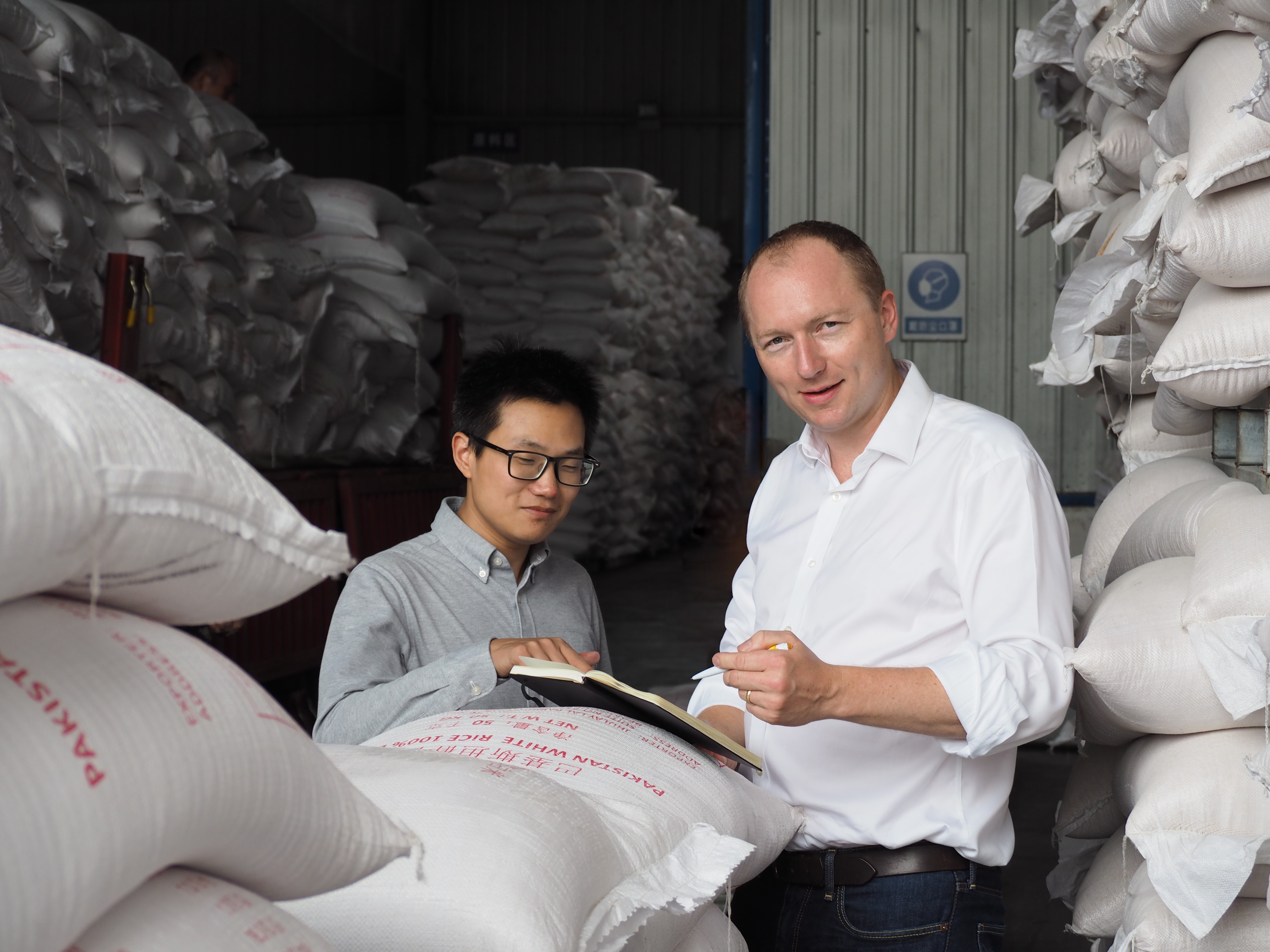
Thankfully, I got a second chance and having visited and worked with well over a thousand suppliers these last 18 years (including this rice mill in Asia when the meeting went a little better) I now understand Supplier Relationship Management. I've heard many businesses claim they are adept at SRM. However, it's often a veneer – the relationship is fragile, supplier performance is hit & miss and full value is not being realised by both parties.
This course is aimed at step changing your SRM, whether you are in the infancy of setting up an SRM programme with an inexperienced team or you would like to make some up-grades to your existing approach.
Benefits
Significantly more financial value from suppliers, whether it be unit cost reduction, minimising price volatility or extended payment terms
Access to more non-financial value from suppliers such as first rights to innovation, recipe and specification development, additional account resources and access to data and marketing support
Uncovering and delivering mutual synergies, efficiency and resource gains
Delivering you better quality than your competitors
Reducing risk right across the supply chain
Having a stronger relationship with your suppliers that reserves tough dialogue only when needed
Providing you a stronger platform for growth
Giving your business flexibility when your plans and needs change
Other Details
To discuss your specific needs or to book this course, contact Frost, Procurement Adventurer:
Phone: +44 (0)7967 372378
Course Prospectus
Course approach: A fun and highly interactive day blending theory, many examples and two case studies. It's usually followed up with two further sessions – one to apply the techniques to your portfolio and the second, several weeks later, to ensure the skills are embedded in your DNA and your business.
Course length: 1 day intensive, 2 days advanced
Course timing: I flex this course from a 2-hour focus session on a specific SRM topic to a 2-day intensive course that teaches the full set of techniques and applies these techniques to your supply base.
Trainer: Frost, Procurement Adventurer
Course level: I tailor the training specifically to you and your team catering from junior procurement experts to senior sourcing managers. It's not unusual for Category Directors and Heads of Procurement to join too.
Sectors covered: The techniques covered work across direct and indirect spend. I tailor the course material and case studies specifically to your portfolio.
Location: Typically clients like to host the training on their own site. I get asked to train all round the World and I'll head to where you'd like to be. From time-to-time I run a course open to people from non-competing businesses in a fixed location. This course can be run remotely by video conference.
Cost: Depending on your specific needs and on request.
Course material: Attendees will receive a full training pack containing a summary of content from the course as well as copies of all case studies and group exercises.
What you will learn
The objectives of this course will depend considerably on where you are on your SRM journey. Typical areas that we cover are:
An explanation of the SRM framework, concepts and architecture
What we really mean by 'relationship'
Gathering and analysing supplier related data and information
End-to-end supply chain mapping for key supply chains
Supplier segmentation that is more tangible and meaningful to how it's often done
Creating the appropriate strategy for each segment of your supply base
Interfacing with different types of suppliers, from different countries
Finding and developing value levers
Creating SLAs and tying them in to contracts with your suppliers
Managing your supplier contracts for maximum value
Setting up and managing supplier performance metrics, KPIs and dashboards
Creating a strong SRM governance structure
Dealing with difficult or nonchalant suppliers
Getting on your supplier's radar if you are not currently
Creating robust action plans with suppliers
Conducting effective supplier meetings and visits
Troubleshooting with suppliers when things don't go to plan